
Global Leading Decarbonization Solution Provider Planning: Houpu Links Hydrogen, LNG and Gas Recovery Pathways
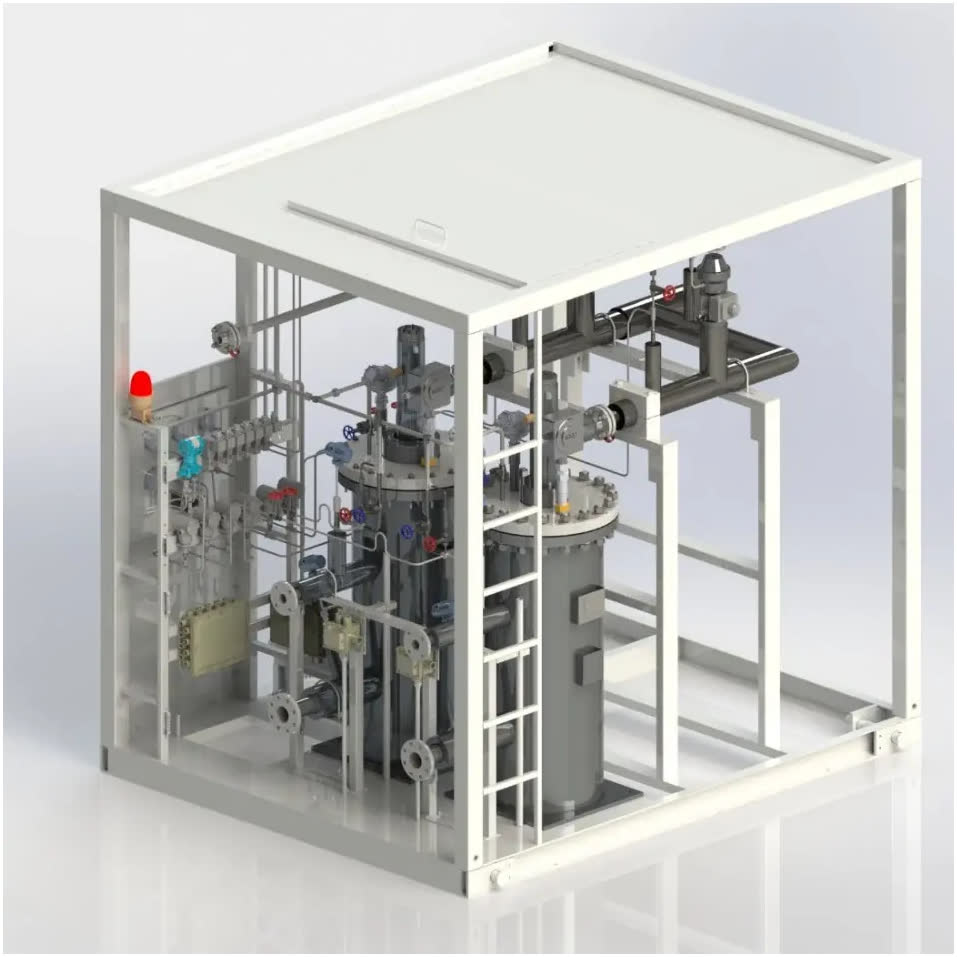
CHENGDU, SICHUAN, CHINA, November 3, 2026 /EINPresswire.com/ -- Achieving industrial net-zero targets requires partnering with an established Decarbonization Solution Provider capable of deploying complementary clean-energy technologies. Heavy industries such as steelmaking, chemical processing, logistics and power generation face distinct thermodynamic and economic operating realities that preclude single-technology solutions. As a comprehensive industrial decarbonization solution provider, Houpu engineers integrated transition pathways spanning hydrogen energy systems, natural gas and LNG infrastructure, and industrial gas recovery to help global enterprises reduce emissions while sustaining operational productivity.
Begin with the Emissions Source and the Project Boundary
Industrial decarbonization is fundamentally a systems planning challenge before it becomes an equipment selection decision. Engineering teams must rigorously characterize current fuels, carbon-intensive process stages and the exact energy forms demanded by end uses. Defining project boundaries ensures that capital expenditure addresses verifiable emissions baselines.
Planning evaluations must assess local renewable electricity availability, grid carbon intensity, existing gas storage infrastructure and whether the facility represents a greenfield installation or a brownfield retrofit. Establishing measurable baselines prevents ambiguous claims and focuses engineering resources on high-impact interventions.
Energy audits should quantify flue gas temperatures, fugitive methane emissions and waste heat availability across plant boundary limits. This comprehensive thermodynamic inventory allows process engineers to prioritize interventions that yield maximum emissions abatement per invested dollar. Establishing rigorous baseline carbon accounting allows project sponsors to measure real lifecycle abatement and secure green financing from institutional investors.
Pathway One: Electrolytic Hydrogen for Applications that Can Use Hydrogen
Direct decarbonization through green hydrogen provides an essential route for industrial processes that require high-purity chemical feedstocks or intense combustion heat. Houpu designs pressurized alkaline water electrolysis systems covering capacities from 100 to 1,500 Nm³/h per production train, incorporating catalytic deoxidation and adsorption drying to deliver 99.999% product purity.
Individual electrolysis vessels feature an operational turndown range from 25% to 100%, allowing facilities to follow fluctuating renewable power profiles. Sourcing teams must evaluate power supply carbon intensity, delivery pressure requirements and downstream compression to ensure that hydrogen production delivers net lifecycle emissions reductions.
Operating at an adjustable pressure of 1.6 MPa reduces the compression energy required to feed industrial synthesis loops or pipeline networks. Integrating deoxypurification systems ensures that product gas satisfies fuel-cell and metallurgical standards without requiring secondary off-site refining.
Thermal integration captures waste heat from cell stacks and electrolyte circulation loops, redirecting low-grade thermal energy to district heating networks or preheating boiler feedwater. Capturing and utilizing low-grade heat improves overall plant thermodynamic efficiency, reducing facility operating costs while supporting regional industrial decarbonization goals.
Pathway Two: LNG and Gas Infrastructure Where Fuel Logistics Are the Constraint
Replacing coal and heavy fuel oil in remote industrial zones and long-haul transportation requires practical transitional fuel infrastructure. Liquefied natural gas provides immediate particulate and sulfur oxide abatement where pipeline infrastructure remains inaccessible. Field validation in distributed recovery is demonstrated by Houpu’s wellhead LNG liquefaction installations, which have operated stably over multiple quarters to monetize remote gas streams. Complementing distributed liquefaction, Houpu engineers complete LNG equipment suites spanning cryogenic vehicle fueling stations, marine bunkering skids and peak-shaving storage facilities.
Evaluating an LNG transition pathway requires analyzing liquefaction efficiency, transport logistics, boil-off gas handling and methane slip prevention across the distribution chain. Vacuum-insulated piping, cryogenic submerged pumps and precision Coriolis metering skids ensure safe and efficient handling of cryogenic fuels.
Designing LNG infrastructure with drop-in compatibility for bio-LNG or synthetic liquefied methane protects capital assets against regulatory obsolescence. As biomethane liquefaction plants mature, existing cryogenic storage tanks and refueling dispensers can transition directly to zero-carbon fuels.
Advanced boil-off gas re-condensation systems capture vaporized natural gas, compressing and returning it to liquid storage to eliminate venting across extended standby periods.
Pathway Three: Recover Useful Components from Process Gas Instead of Treating Them as Waste
Industrial manufacturing frequently vents or flares process off-gases containing valuable chemical energy. Houpu engineers customized gas-processing technologies, including pressure swing adsorption carbon dioxide capture, methane enrichment from associated gas, and hydrogen recovery from coke-oven and synthesis gas streams.
Capturing and re-liquefying boil-off gas in LNG terminals prevents atmospheric methane venting, improving overall facility thermodynamic efficiency while lowering operating expenditures. Recovered streams can be purified for commercial reuse or reinjected into heating boilers to displace primary fossil fuels.
Designing gas recovery systems requires characterizing feed-gas contaminants, defining recovery yields and calculating lifecycle carbon benefits against existing waste flaring baselines. Modular skid construction allows refinery and chemical plant operators to integrate gas recovery systems with minimal modification to existing process units.
Pressure swing adsorption skids separate high-purity hydrogen from industrial purge streams, recycling valuable reactant gas back into refining and ammonia synthesis processes at a fraction of the cost of virgin gas generation.
Where the Three Pathways Can Connect
Industrial energy hubs increasingly combine multiple clean-energy pathways within a single geographical facility to maximize resource efficiency. On-site water electrolysis can generate green hydrogen for transport refueling, while recovered methane from process off-gases supplies high-efficiency industrial boilers.
Cryogenic LNG storage provides dependable backup energy during seasonal renewable electricity curtailment. Coordinating these pathways requires unified process controls, shared compression headers and synchronized safety interlocks that optimize overall plant energy balances.
In integrated port terminals, cryogenic boil-off gas reliquefaction operates in tandem with hydrogen refueling infrastructure, sharing electrical substations and utility cooling systems to minimize project civil footprints.
Decision Factors for a Decarbonization Project Portfolio
Evaluating clean-energy project proposals requires assessing technical maturity, capital requirements and operational flexibility against empirical site constraints. Sourcing teams must evaluate feedstock and electricity availability, matching technology selection to local renewable power profiles and electrical substation capacities.
Lifecycle greenhouse gas abatement must be quantified against verified operational baselines, while capital expenditure should follow structured modular phasing that scales with evolving sustainability goals. Across each transition vector, all process skids must strictly conform to international explosion-proof, pressure-vessel and environmental standards.
Financial modeling must balance immediate carbon reduction yields against operational complexity, ensuring that adopted technologies provide reliable performance under shifting market power prices.
Measure Results Instead of Assuming Them
A dependable decarbonization project establishes verifiable measurement and reporting protocols before ground is broken. Facility operators must install calibrated mass flowmeters, continuous emission monitors and analytical gas chromatographs across all process battery limits.
Verifiable emissions performance requires mature engineering depth. Houpu draws upon 494 recognized patents, 124 software registrations and over 100 dedicated clean-energy engineers to deliver industrial systems that satisfy international environmental baselines.
Continuous emissions monitoring systems provide automated audit trails for regulatory compliance, validating carbon intensity reductions against baseline project projections.
Multi-Vector Planning: Uniting Hydrogen, LNG and Gas Recovery Pathways
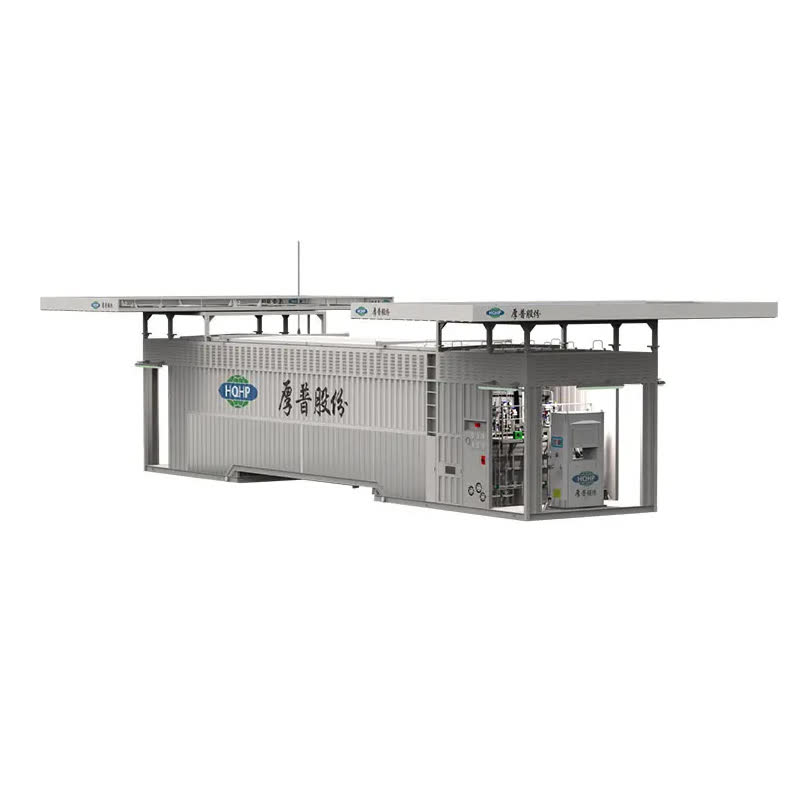
Industrial decarbonization succeeds through systems-level planning that matches the appropriate technology pathway to specific energy requirements. As a comprehensive decarbonization solution provider, Houpu unites hydrogen production, LNG infrastructure and gas recovery technologies into dependable clean-energy ecosystems. Explore multi-pathway decarbonization engineering at https://www.hqhp-en.com/.
Begin with the Emissions Source and the Project Boundary
Industrial decarbonization is fundamentally a systems planning challenge before it becomes an equipment selection decision. Engineering teams must rigorously characterize current fuels, carbon-intensive process stages and the exact energy forms demanded by end uses. Defining project boundaries ensures that capital expenditure addresses verifiable emissions baselines.
Planning evaluations must assess local renewable electricity availability, grid carbon intensity, existing gas storage infrastructure and whether the facility represents a greenfield installation or a brownfield retrofit. Establishing measurable baselines prevents ambiguous claims and focuses engineering resources on high-impact interventions.
Energy audits should quantify flue gas temperatures, fugitive methane emissions and waste heat availability across plant boundary limits. This comprehensive thermodynamic inventory allows process engineers to prioritize interventions that yield maximum emissions abatement per invested dollar. Establishing rigorous baseline carbon accounting allows project sponsors to measure real lifecycle abatement and secure green financing from institutional investors.
Pathway One: Electrolytic Hydrogen for Applications that Can Use Hydrogen
Direct decarbonization through green hydrogen provides an essential route for industrial processes that require high-purity chemical feedstocks or intense combustion heat. Houpu designs pressurized alkaline water electrolysis systems covering capacities from 100 to 1,500 Nm³/h per production train, incorporating catalytic deoxidation and adsorption drying to deliver 99.999% product purity.
Individual electrolysis vessels feature an operational turndown range from 25% to 100%, allowing facilities to follow fluctuating renewable power profiles. Sourcing teams must evaluate power supply carbon intensity, delivery pressure requirements and downstream compression to ensure that hydrogen production delivers net lifecycle emissions reductions.
Operating at an adjustable pressure of 1.6 MPa reduces the compression energy required to feed industrial synthesis loops or pipeline networks. Integrating deoxypurification systems ensures that product gas satisfies fuel-cell and metallurgical standards without requiring secondary off-site refining.
Thermal integration captures waste heat from cell stacks and electrolyte circulation loops, redirecting low-grade thermal energy to district heating networks or preheating boiler feedwater. Capturing and utilizing low-grade heat improves overall plant thermodynamic efficiency, reducing facility operating costs while supporting regional industrial decarbonization goals.
Pathway Two: LNG and Gas Infrastructure Where Fuel Logistics Are the Constraint
Replacing coal and heavy fuel oil in remote industrial zones and long-haul transportation requires practical transitional fuel infrastructure. Liquefied natural gas provides immediate particulate and sulfur oxide abatement where pipeline infrastructure remains inaccessible. Field validation in distributed recovery is demonstrated by Houpu’s wellhead LNG liquefaction installations, which have operated stably over multiple quarters to monetize remote gas streams. Complementing distributed liquefaction, Houpu engineers complete LNG equipment suites spanning cryogenic vehicle fueling stations, marine bunkering skids and peak-shaving storage facilities.
Evaluating an LNG transition pathway requires analyzing liquefaction efficiency, transport logistics, boil-off gas handling and methane slip prevention across the distribution chain. Vacuum-insulated piping, cryogenic submerged pumps and precision Coriolis metering skids ensure safe and efficient handling of cryogenic fuels.
Designing LNG infrastructure with drop-in compatibility for bio-LNG or synthetic liquefied methane protects capital assets against regulatory obsolescence. As biomethane liquefaction plants mature, existing cryogenic storage tanks and refueling dispensers can transition directly to zero-carbon fuels.
Advanced boil-off gas re-condensation systems capture vaporized natural gas, compressing and returning it to liquid storage to eliminate venting across extended standby periods.
Pathway Three: Recover Useful Components from Process Gas Instead of Treating Them as Waste
Industrial manufacturing frequently vents or flares process off-gases containing valuable chemical energy. Houpu engineers customized gas-processing technologies, including pressure swing adsorption carbon dioxide capture, methane enrichment from associated gas, and hydrogen recovery from coke-oven and synthesis gas streams.
Capturing and re-liquefying boil-off gas in LNG terminals prevents atmospheric methane venting, improving overall facility thermodynamic efficiency while lowering operating expenditures. Recovered streams can be purified for commercial reuse or reinjected into heating boilers to displace primary fossil fuels.
Designing gas recovery systems requires characterizing feed-gas contaminants, defining recovery yields and calculating lifecycle carbon benefits against existing waste flaring baselines. Modular skid construction allows refinery and chemical plant operators to integrate gas recovery systems with minimal modification to existing process units.
Pressure swing adsorption skids separate high-purity hydrogen from industrial purge streams, recycling valuable reactant gas back into refining and ammonia synthesis processes at a fraction of the cost of virgin gas generation.
Where the Three Pathways Can Connect
Industrial energy hubs increasingly combine multiple clean-energy pathways within a single geographical facility to maximize resource efficiency. On-site water electrolysis can generate green hydrogen for transport refueling, while recovered methane from process off-gases supplies high-efficiency industrial boilers.
Cryogenic LNG storage provides dependable backup energy during seasonal renewable electricity curtailment. Coordinating these pathways requires unified process controls, shared compression headers and synchronized safety interlocks that optimize overall plant energy balances.
In integrated port terminals, cryogenic boil-off gas reliquefaction operates in tandem with hydrogen refueling infrastructure, sharing electrical substations and utility cooling systems to minimize project civil footprints.
Decision Factors for a Decarbonization Project Portfolio
Evaluating clean-energy project proposals requires assessing technical maturity, capital requirements and operational flexibility against empirical site constraints. Sourcing teams must evaluate feedstock and electricity availability, matching technology selection to local renewable power profiles and electrical substation capacities.
Lifecycle greenhouse gas abatement must be quantified against verified operational baselines, while capital expenditure should follow structured modular phasing that scales with evolving sustainability goals. Across each transition vector, all process skids must strictly conform to international explosion-proof, pressure-vessel and environmental standards.
Financial modeling must balance immediate carbon reduction yields against operational complexity, ensuring that adopted technologies provide reliable performance under shifting market power prices.
Measure Results Instead of Assuming Them
A dependable decarbonization project establishes verifiable measurement and reporting protocols before ground is broken. Facility operators must install calibrated mass flowmeters, continuous emission monitors and analytical gas chromatographs across all process battery limits.
Verifiable emissions performance requires mature engineering depth. Houpu draws upon 494 recognized patents, 124 software registrations and over 100 dedicated clean-energy engineers to deliver industrial systems that satisfy international environmental baselines.
Continuous emissions monitoring systems provide automated audit trails for regulatory compliance, validating carbon intensity reductions against baseline project projections.
Multi-Vector Planning: Uniting Hydrogen, LNG and Gas Recovery Pathways
Industrial decarbonization succeeds through systems-level planning that matches the appropriate technology pathway to specific energy requirements. As a comprehensive decarbonization solution provider, Houpu unites hydrogen production, LNG infrastructure and gas recovery technologies into dependable clean-energy ecosystems. Explore multi-pathway decarbonization engineering at https://www.hqhp-en.com/.
Houpu
Houpu
Legal Disclaimer:
EIN Presswire provides this news content "as is" without warranty of any kind. We do not accept any responsibility or liability for the accuracy, content, images, videos, licenses, completeness, legality, or reliability of the information contained in this article. If you have any complaints or copyright issues related to this article, kindly contact the author above.

