

Global fish oil supply under pressure as production heads towards decade low
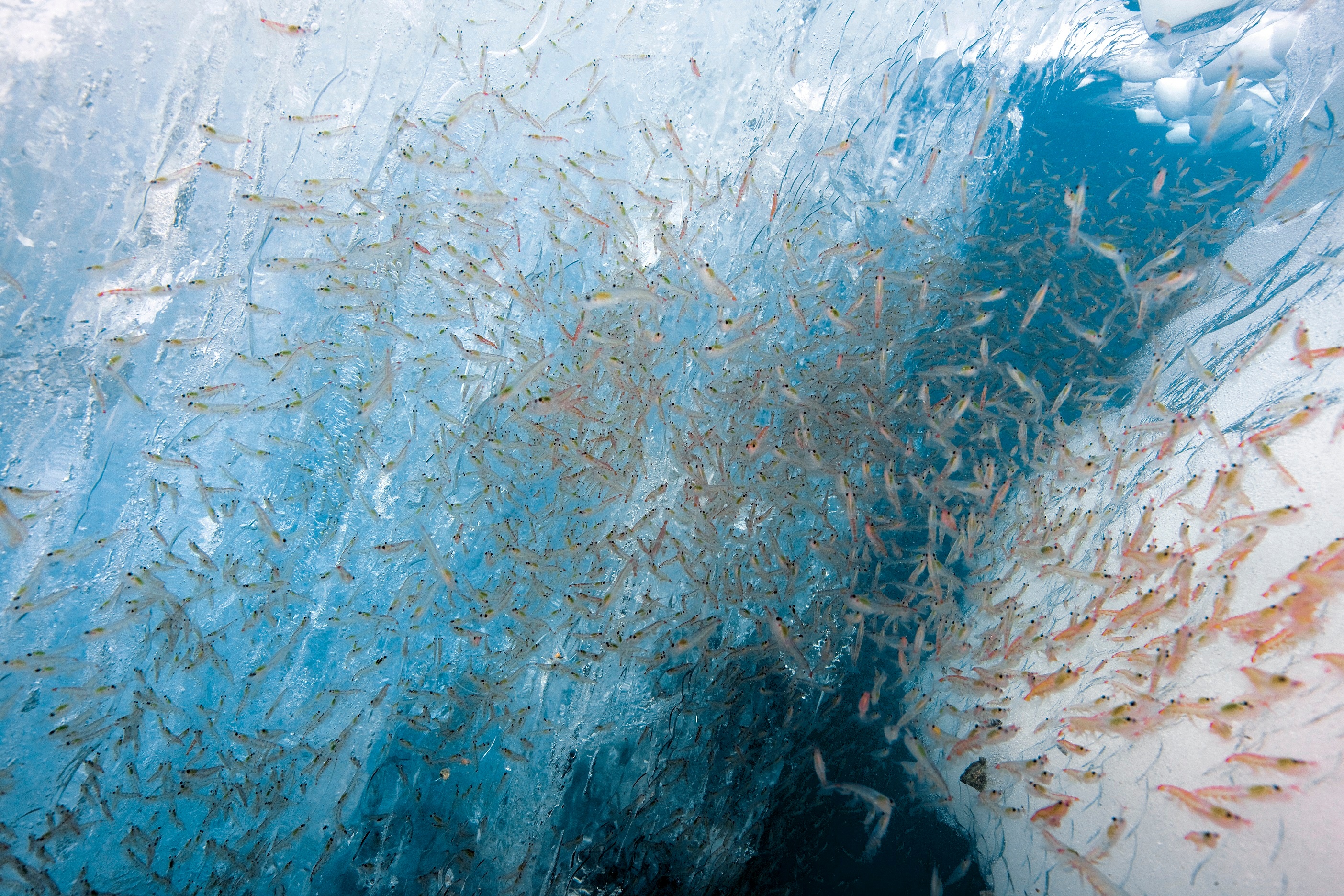
Disruptions to Peru's anchovy season raise questions about omega-3 supply, highlighting the importance of diversification and responsible ocean management.
Antarctic krill can play an important role in meeting future nutritional needs, but it must be harvested responsibly, with science and conservation guiding how marine resources are managed.”
MORNINGTON, AUSTRALIA, October 26, 2026 /EINPresswire.com/ -- The early closure of Peru's first anchovy fishing season and the cancellation of the planned second season amid El Niño-related disruptions is placing further pressure on global fish oil supply, raising concerns about the resilience of future omega-3 production. — Nina Jensen, Ocean conservation leader
Peru’s suspended the first season in June to protect the anchovy stock and formally closed it in August, with just over 20 per cent of the quota landed. On 16 October, PRODUCE confirmed it will not open a second season in the north-central zone this year. As the world’s largest producer of fish oil, Peru plays a critical role in global omega-3 supply chains.
Peru’s National Fisheries Society (SNP), which said as early as August that a second season was unlikely, has warned that industrial anchovy fishing could remain halted for more than a year, until the next season planned for 2027. Industry forecasts suggest these pressures could have significant implications for global supply, with global fish oil production projected to fall to its lowest level in a decade.
The impact is already being felt by aquaculture, which worldwide accounts for around 73 percent of fish oil use. Leif Kjetil Skjæveland, Director, Sustainability and Public Affairs at Skretting, a global leader in aquaculture feed, has flagged that availability had become a bigger concern than cost.
“Prices have gone through the roof. But that’s not so interesting, you can’t get hold of enough oil anyway,” he told a recent industry seminar. Global marine biotechnology company Aker BioMarine says the situation underscores the importance of diversifying omega-3 sources and ensuring responsible fisheries management to support future human health, nutrition security and healthy oceans.
Aker BioMarine CEO Matts Johansen said securing future access to essential nutrients required a more diversified approach.
"Food security isn't simply about producing enough food. It's also about ensuring people have reliable access to the essential nutrients they need to maintain good health," Mr Johansen said. "When major fisheries experience disruption, it highlights how vulnerable traditional supply chains can be and why we need to think differently about securing future supply.
"The answer isn't to rely on any single resource. It's to ensure we maintain diversity in our supply chain of where omega-3s come from, invest in innovation and ensure the marine resources we rely on are managed responsibly."
Why omega-3s matter for the health of Australians
Australian research analysing national dietary data found that fewer than one in four adults were meeting suggested dietary targets for long-chain omega-3 intake. This comes amid growing concerns about Australia's chronic disease burden, with dementia, including Alzheimer's disease, now the nation's leading cause of death, while coronary heart disease remains one of its biggest killers.
Accredited Practising Dietitian Kate Save said long-chain omega-3 fatty acids EPA and DHA are important nutrients that the body cannot produce in sufficient quantities on its own. They play important roles in cardiovascular health, while DHA is also a major structural component of the brain.
"With Australians living longer, looking after our brain health is becoming increasingly important, and we need to give it the same attention we give heart health and physical fitness,” Ms Save said.
"While no single nutrient or supplement can prevent dementia, good nutrition plays an important role in supporting long-term health, including normal brain function. "Omega-3s also play an important role in cardiovascular health, including helping maintain healthy levels of triglycerides, a type of fat in the blood that when elevated, can increase the risk of heart disease. "With many Australians not consuming enough omega-3s, ensuring reliable access to diverse, high-quality and sustainably sourced omega-3 options is increasingly important."
Diversifying supply while protecting healthy oceans
With traditional fish oil production exposed to supply disruptions, Aker BioMarine believes future resilience will depend on a diversified mix of responsibly managed fisheries, Antarctic krill and alternative sources such as algae. Internationally recognised marine biologist and ocean conservation leader Nina Jensen said Antarctic krill would continue to play an important role in diversifying omega-3 supply, provided harvesting remained responsible and science-led.
"Human health and healthy oceans are fundamentally connected. Antarctic krill can play an important role in meeting future nutritional needs, but it must be harvested responsibly, with science and conservation guiding how marine resources are managed," Ms Jensen said. "Antarctica demonstrates the importance of international cooperation in marine conservation, with nations working together to manage marine resources through a science-based, precautionary approach.”
Antarctic krill harvesting has been regulated through the Commission for the Conservation of Antarctic Marine Living Resources (CCAMLR) for more than 30 years, which is currently meeting in Hobart. CCAMLR applies precautionary catch limits and an ecosystem-based approach to fisheries management.
According to the United Nations Food and Agriculture Organization (FAO), 100 per cent of fish stocks assessed in Antarctic waters were classified as biologically sustainable in its latest regional assessment. Mr Johansen said Aker BioMarine would continue to support scientific monitoring, transparent oversight and the proposed Domain 1 Marine Protected Area.
"Sustainability is not a static achievement; it requires ongoing monitoring and a willingness to adapt as new evidence emerges. It's a commitment we take seriously."
About Aker BioMarine
Aker BioMarine is a leading human health and nutrition innovator that develops sustainable marine-based health ingredients. By harnessing the natural, nutritional power of Krill and Algae, Aker BioMarine has a unique position in its industry by helping address global health challenges, such as Omega-3 deficiencies. The ingredient portfolio consists of Superba Krill® Oil, Lysoveta®, Revervia®, and PL+™. More information is available at www.akerbiomarine.com
Ross Norris
Aker BioMarine
ross.norris@akerbiomarine.com
Legal Disclaimer:
EIN Presswire provides this news content "as is" without warranty of any kind. We do not accept any responsibility or liability for the accuracy, content, images, videos, licenses, completeness, legality, or reliability of the information contained in this article. If you have any complaints or copyright issues related to this article, kindly contact the author above.
